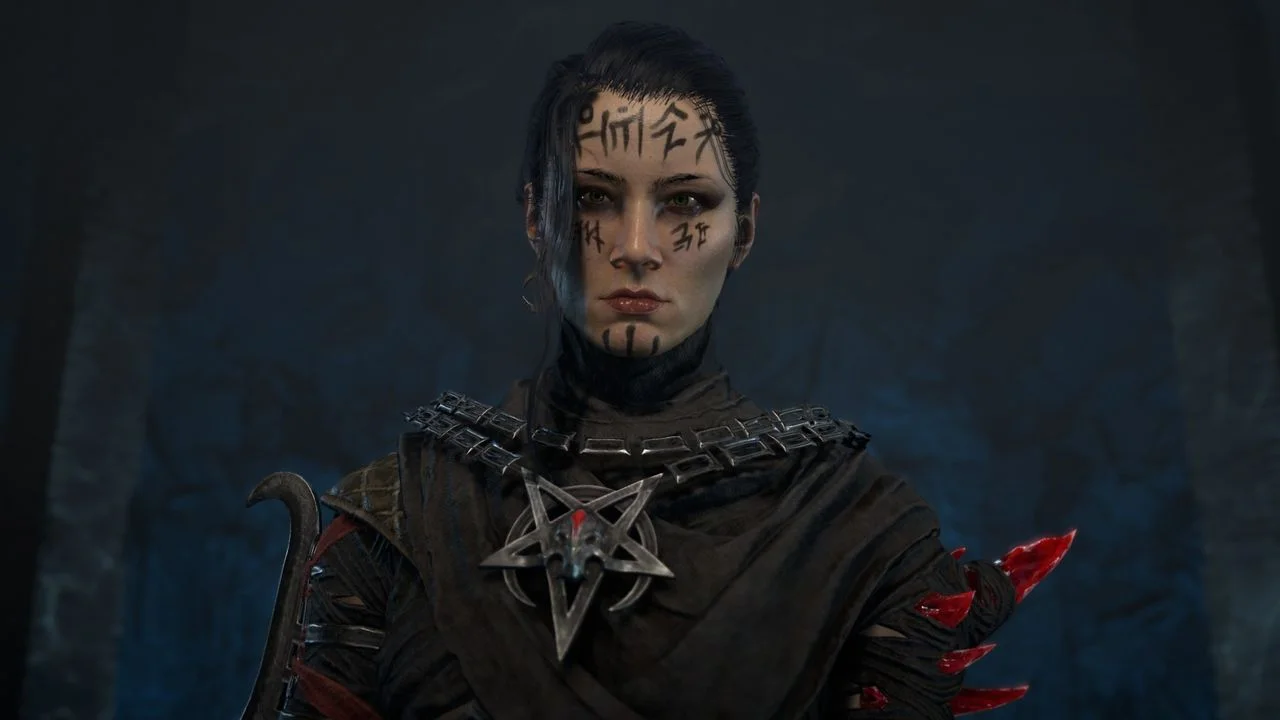
Digital Extremes' new title, Soulframe, is stirring up an intense dialogue within the gaming community, particularly given its strategic connection to the popular Souls genre, established by From Software's masterpieces like Dark Souls and Bloodborne. That said, the developers are making a firm case for Soulframe’s differentiation from those Soulslike games, a pivot that reveals both a strategic vision and some early stumbles in gameplay design.
A Title that Invites Comparison
The very choice to include "Soul" in the title of Soulframe, as Digital Extremes' CEO Steve Sinclair candidly acknowledges, “invited that criticism.” This connection to the established Souls brand initially led many players to anticipate a similar combat style. Sinclair describes this marketing choice as "an idiot decision," but insists that the term "soul" represents a deeper narrative and thematic exploration rather than a straightforward gameplay lineage. It’s a fascinating contradiction where they aimed for uniqueness but inadvertently aligned themselves with the high expectations that come with the Souls legacy.
Combat Mechanics: A Mixed Initial Reception
Early gameplay in Soulframe Preludes revealed shortcomings in the combat system, which Sinclair attributes to over-reliance on Warframe's faster-paced mechanics. This resulted in a jarring experience for players, where enemies linger on screen long enough to expose animation flaws that wouldn’t have been as evident in a title like Warframe, where battles happen at breakneck speed. The inconsistency left some players feeling detached from combat feedback and may have undermined the immersive experience intended in a slower RPG format.
Iterative Development and Community Involvement
As Digital Extremes gathered player feedback, it became evident that while the narrative and visual atmosphere resonated, the combat required significant refinement. Geoff Crookes, the creative director, openly acknowledges that the team “missed the mark” mechanically. However, the willingness to adapt has led to a more refined experience that players are now enjoying. This responsiveness mirrors the evolution of Warframe, which began with its own set of criticisms but has since transformed into a polished product through iterative design.
A Shift in Development Philosophy
Feedback from players has caused the team to reassess their approach, emphasizing real-time input responses over the more traditional animation-based mechanics found in the Souls franchise. Lead designer Scott McGregor noted that while the foundation of pre-release combat was unsatisfactory, the early access model is designed for ongoing development in conjunction with gamer insights. This adaptability is crucial, particularly in an age where player expectations are more interactive and engaging than ever.
The Challenge of Expectations
Even as Digital Extremes works to carve out a distinct identity for Soulframe, they face an uphill battle against entrenched player expectations. The instinct may be to dismiss the title due to its initial combat awkwardness, but this oversimplifies the complexities of game development. Sinclair’s comments highlight an essential lesson in game design: launching a title amid existing brand associations can be a double-edged sword. The real critical point is that they've acknowledged these challenges head-on and are committed to evolving the title.
Looking Ahead: The Future of Soulframe
With Soulframe’s Preludes still in development, the dialogue between Digital Extremes and its audience is ongoing. This model fosters a sense of shared creation with the gaming community, a move many modern studios are beginning to embrace. McGregor mentions that the evolution of Soulframe won’t stop at launch; the game will continually adapt based on player interactions and feedback, reflecting a commitment to a living product rather than a static release.
For industry professionals, the trajectory of Soulframe serves as a case study in the balance of creative vision, player expectations, and market realities. Consumer engagement in the development process is not just a trend but a necessary strategy to bridge the gap between a developer's vision and players’ desires. The success of Soulframe will ultimately hinge on how well Digital Extremes navigates this intricate dance of design and community interaction.
As the gaming landscape shifts toward more cooperative development practices, Soulframe’s journey is one to watch. The transition from a rocky launch to a refined gaming experience driven by direct player input is a tantalizing prospect, particularly in an industry increasingly characterized by immediate innovation cycles and rapid player feedback loops. If Soulframe can rise to meet both its own aspirations and the expectations of its community, it may not only find a niche for itself but also redefine how studios engage with their player base in the future.