Fashion has always served as both a canvas for personal expression and a battleground for socio-political values. Elizabeth Hawes was one of the pioneering figures in the early 20th-century American fashion scene, yet she often remains an overlooked champion of these ideals. The Cincinnati Art Museum's exhibit, "Elizabeth Hawes: Radical American Fashion," brings fresh attention to her groundbreaking work and philosophies that resonate strongly with contemporary discussions around fashion accessibility and representation.
A Vision Ahead of Her Time
Hawes's contributions extended far beyond mere aesthetics; she envisioned a world where high-quality clothing was available to all, not just the privileged elite. By the 1920s, she was advocating for American fashion and its uniqueness, pushing against the prevailing trend of adoring Parisian styles. "She came to the conviction that American women (and men) deserved a uniquely American point of view," explains Megan Nauer, acting curator at the Cincinnati Art Museum, underscoring Hawes’s desire for an American fashion identity that spoke to modern challenges and lifestyles.
More than just a collection of fabrics, Hawes argued against the restrictive nature of contemporary clothing norms that confined bodies and defined identities in narrow terms. Notably, she posited that gendered clothing norms were outmoded, suggesting that individuals should wear whatever suited their lives and preferences, regardless of traditional expectations. Such notions of freedom in clothing were revolutionary, anticipating today’s broader discussions around gender fluidity in fashion.
Exhibit Details and Significance
Running from April 24 to August 2, the exhibition showcases over 50 garments created between the 1920s and 1960s, accentuated by original sketches and the first comprehensive publication on her career. This marks a significant moment to reclaim Hawes’s legacy, exploring her relentless push for both quality and accessibility in garment production. Many pieces in the collection come from the Cincinnati Art Museum's permanent collection, thanks largely to Dorette Kruse Fleischmann, a devoted patron who understood the value of Hawes's work.
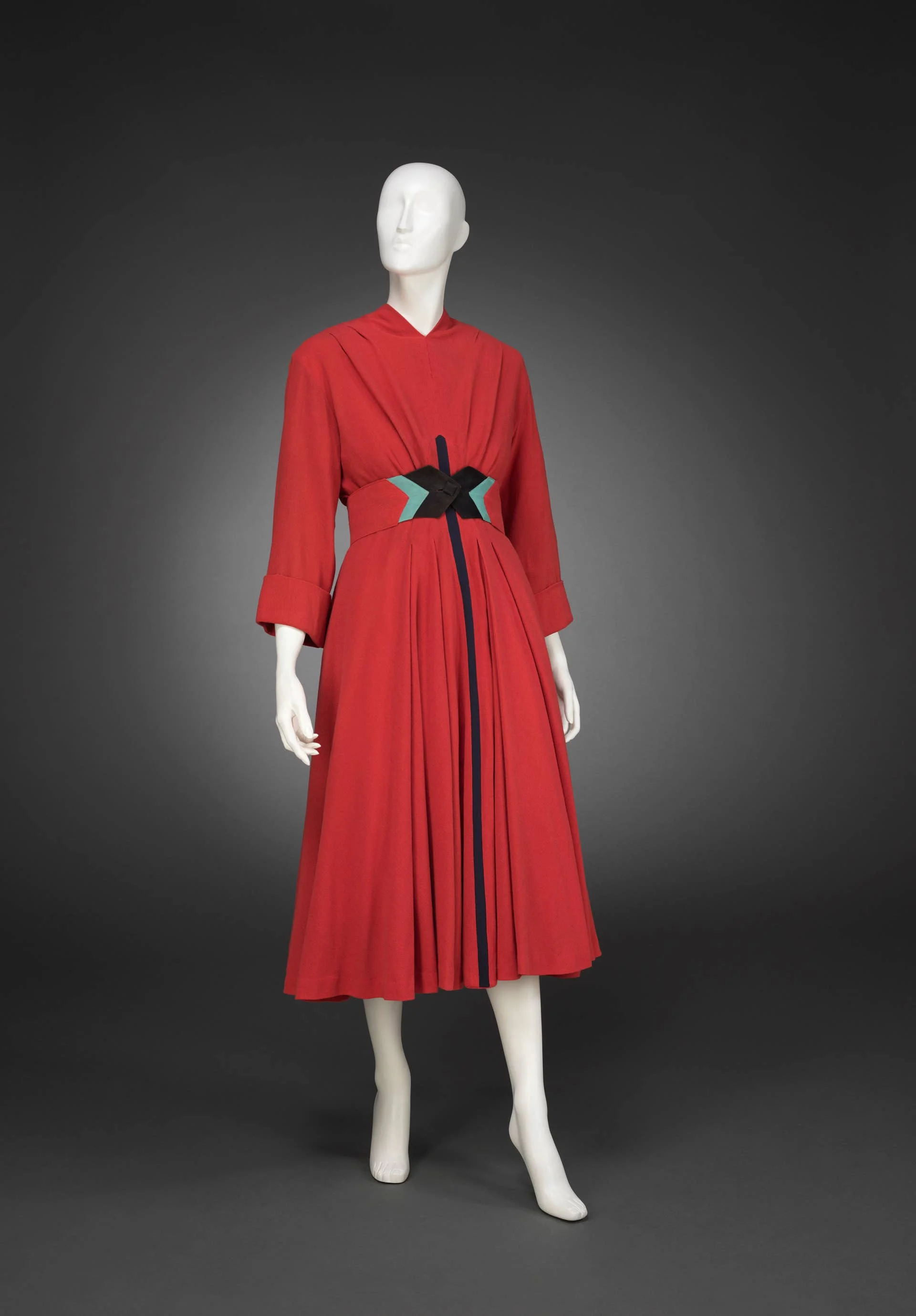
Elizabeth Hawes (American, 1903 – 1971), Day Dress and Belt,1930s, wool, leather, from the collection of Dorette K. Fleischmann, gift of her daughter, Joan F. Tobin and her granddaughter, Alexis Dorette Tobin, 19/20.22:22
Photo: Courtesy of Cincinnati Art Museum
The curator, Cynthia Amneus, dedicated nearly two decades to research that has culminated in this exhibition. The sourcing of garments involved collaborations with numerous institutions, including the Museum at FIT and the Met, revealing how Hawes's influence reached beyond regional confines.
Unpacking Hawes's Contributions
Hawes didn't just design; she articulated a manifesto for a new kind of fashion that combined beauty, utility, and comfort while advocating for the often-ignored working class. Her commitment to producing high-quality clothing affordably is particularly resonant as today’s industry grapples with the implications of fast fashion and sustainability. "This idea of quality, affordable garments made here in the U.S. is a conversation we are culturally revisiting today," Nauer states, underscoring how Hawes’s ideas align with current consumer demand for ethical production practices.
One of the most striking pieces on display is "Geographic," a final collection garment designed by Hawes as the U.S. was entering World War II. Decorated with national flags, including those of the Axis powers, it served not just as a dress but as a political statement at a moment when fashion was intricately linked to societal change. It exemplifies how Hawes used her platform to comment on contemporary issues, a practice that remains vital in today’s fashion discourse.
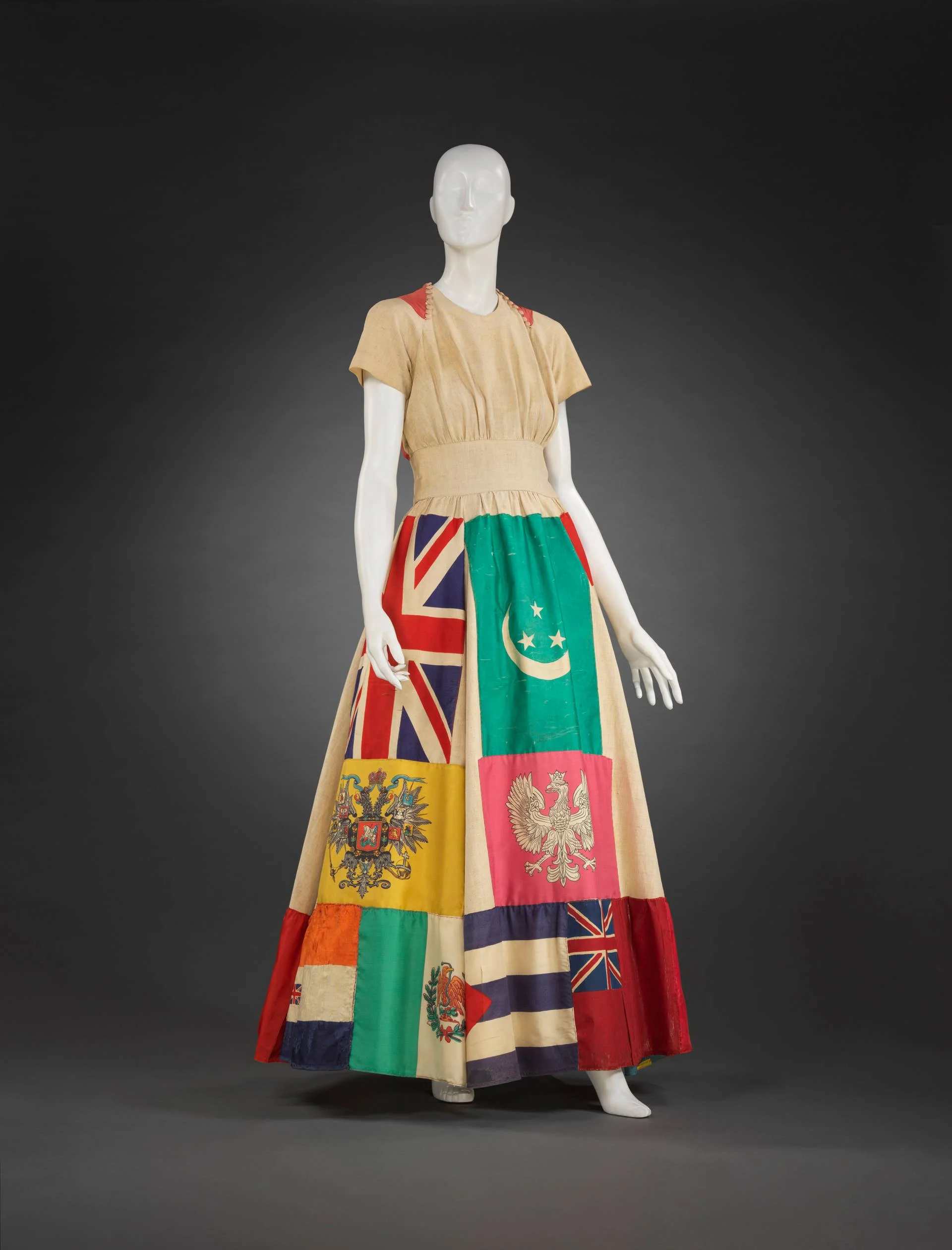
Photo: Rob Deslongchamps/Courtesy of Cincinnati Art Museum
Legacy and Relevance
While many fashion designers flourish in history due to their aesthetics, Hawes’s legacy is imbued with an array of progressive political beliefs. Her blunt critiques of the industry have often led to her being overshadowed by contemporaries. "I have a feeling that for many years, her progressive political beliefs and her unflinching, often caustic voice...were part of why the fashion industry didn't uphold her legacy as it did for other designers," Nauer suggests. In an industry still wrestling with equity and inclusivity, her insights are particularly poignant.
The Cincinnati Art Museum's exhibit doesn't just shine a light on Hawes’s past; it reestablishes her voice in contemporary discussions around fashion's role as a force for social change. If you’re navigating the fashion space today, paying attention to Hawes's work and philosophies offers insights that can inform your practice and your engagement with the industry.
The exhibition serves not just as a retrospective but also as a call to action for today’s designers and consumers alike. It beckons us to challenge the status quo, rethinking who fashion should serve. And in doing so, it articulates a vision for a more inclusive, liberated, and authentic understanding of personal expression through clothing.